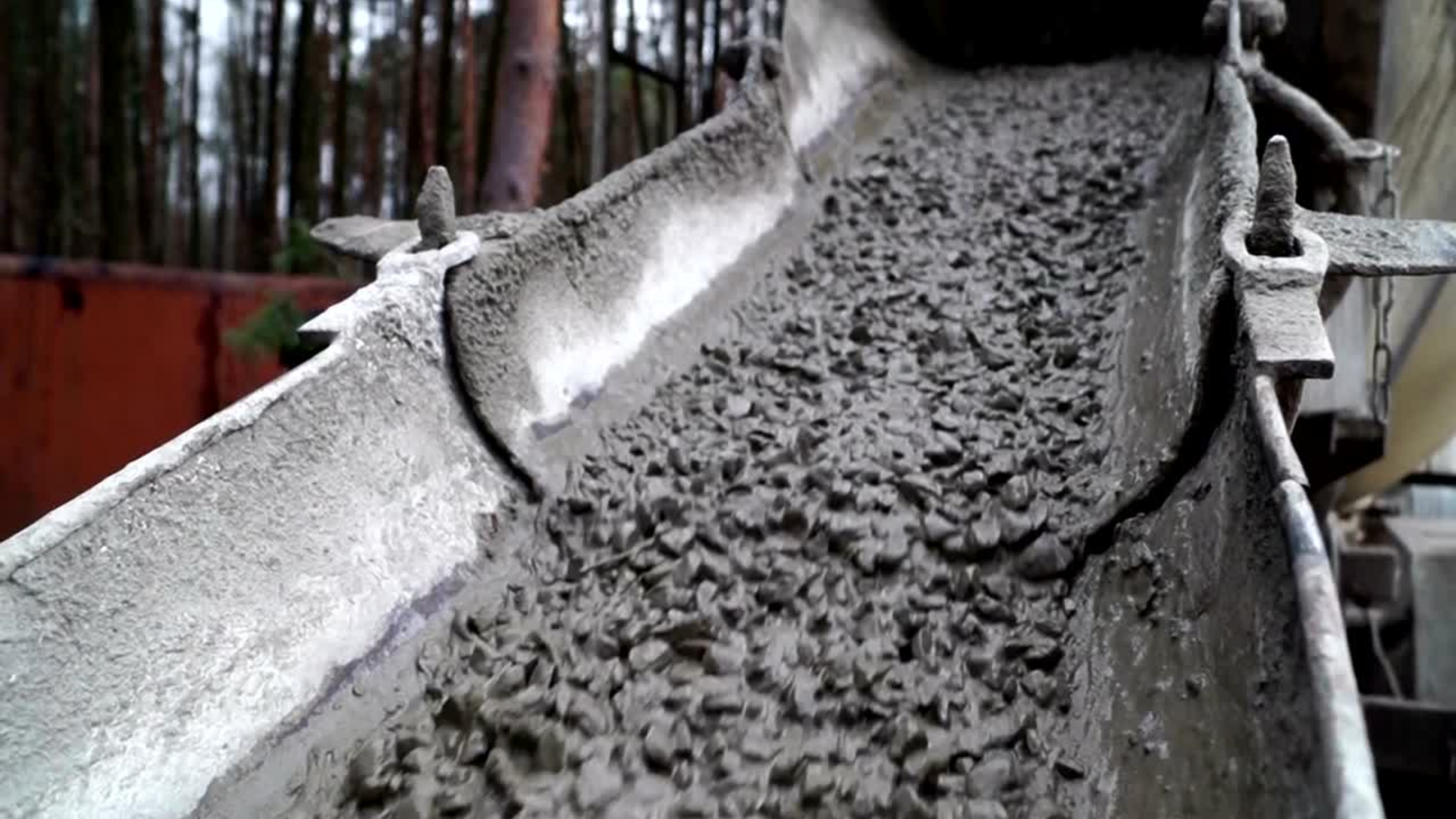
PureMix Concrete in Rochdale supply Ready Mixed Concrete in Volumatic Wagons. This article explores the benefits of volumatic concrete in Rossendale and Rochdale.
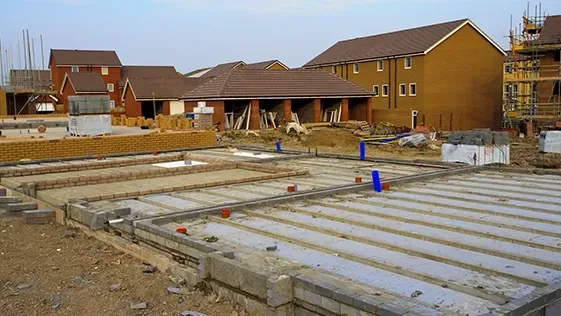
Building a home involves hundreds of decisions, and how you source your concrete might not seem like the most exciting one. But choosing ready-mix concrete over site-mixed alternatives can save you time, money, and a lot of headaches. Consistent Quality You Can Rely On Ready-mix concrete is batched at a dedicated plant under strict quality controls. The proportions of cement, aggregates, water, and admixtures are precisely measured and verified—every load meets specification. Site-mixed concrete, by contrast, depends on whoever's holding the shovel that day. Faster, Cleaner Progress Mixing concrete on-site means storing raw materials, setting up equipment, and dedicating labour to batching. Ready-mix arrives ready to pour. Your team focuses on placing and finishing, not measuring sand and cement. The result: quicker pours and a tidier site. Strength Where It Matters Foundations, floor slabs, driveways, and structural elements all demand concrete that performs. Ready-mix suppliers can tailor the mix to your engineer's specifications—whether you need higher early strength, improved workability, or enhanced durability against freeze-thaw cycles. Cost-Effective at Scale For any pour larger than a few wheelbarrows, ready-mix almost always works out cheaper when you factor in labour, equipment hire, and the risk of inconsistent batches. It's the professional standard for good reason. Your home deserves a solid foundation—literally. Ready-mix concrete delivers the reliability and performance that residential construction demands.